

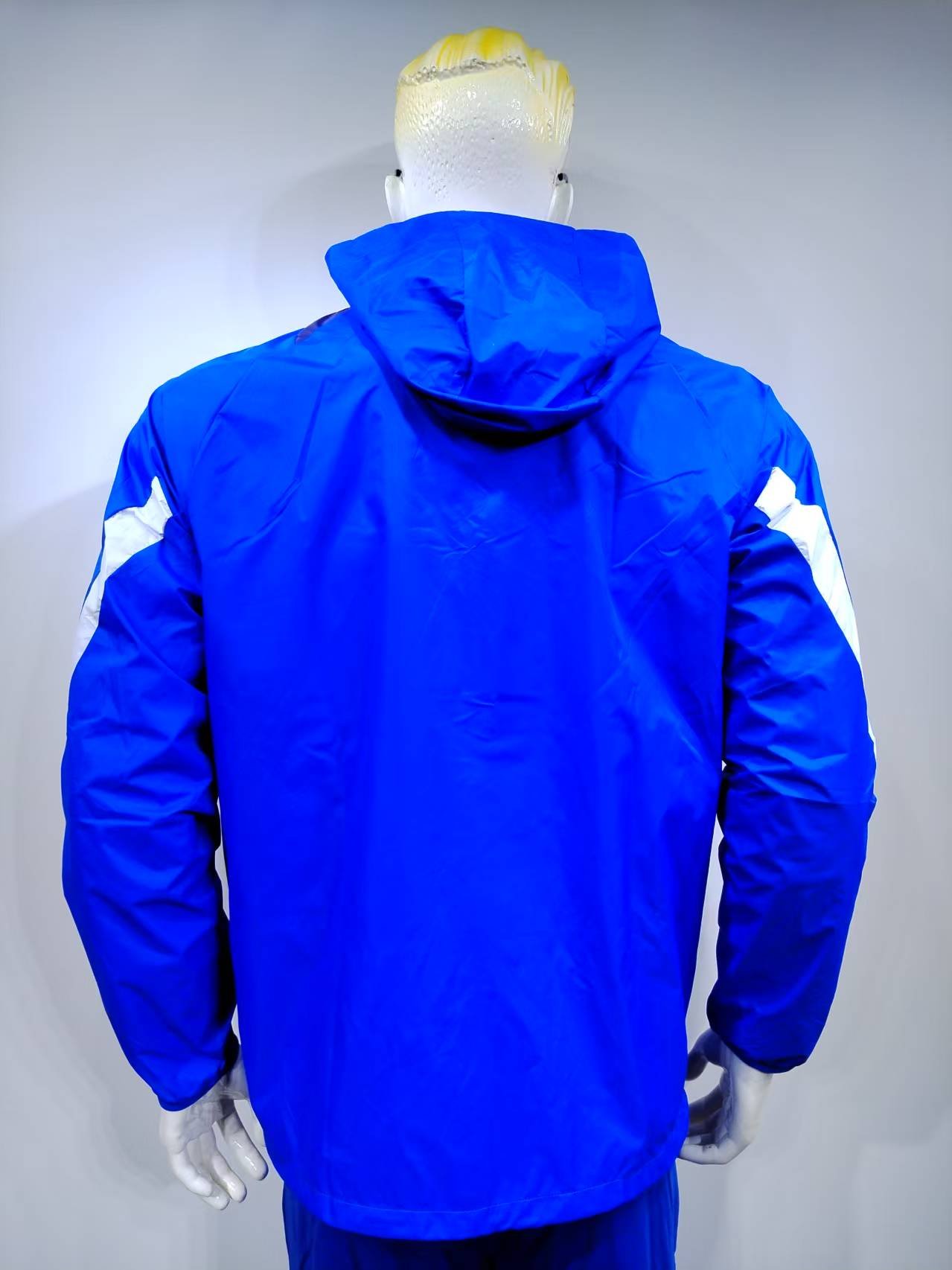
Understanding what to wear curling is essential for anyone stepping onto the ice, whether you are a beginner trying the sport for the first time or an experienced player refining performance. Curling is unique: it combines balance, sweeping, precision, and long periods on cold ice surfaces. Clothing choices directly affect movement, warmth, grip, and overall gameplay.
At Seseliga, we approach curling apparel from a real-world, experience-based perspective. This guide is written with expertise, authority, and trustworthiness to help players make smart, practical decisions about what to wear curling in every situation.
Why What You Wear Curling Truly Matters
Curling is not a high-impact sport, but it is physically demanding in subtle ways. Players slide on one foot, crouch low, sweep vigorously, and remain on cold ice for extended periods. Wearing the wrong clothing can lead to:
-
Restricted movement
-
Poor balance during delivery
-
Overheating while sweeping
-
Cold exposure between ends
-
Reduced focus and performance
Understanding what to wear curling is about finding the balance between warmth, flexibility, breathability, and safety.
Core Principles of What to Wear Curling
Before diving into specific items, it’s important to understand the basic principles that guide curling apparel choices:
-
Layering over bulk
-
Freedom of movement
-
Temperature control
-
Ice-appropriate footwear
-
Safety and grip awareness
Seseliga emphasizes these principles when advising curlers at all levels.
Base Layers: The Foundation of Curling Clothing
Why Base Layers Matter in Curling
When deciding what to wear curling, base layers are critical. Ice rinks are cold, but sweeping raises body temperature quickly. Base layers help regulate heat and manage moisture.
Recommended Base Layer Features
-
Moisture-wicking fabric
-
Lightweight and flexible
-
Close-fitting but not restrictive
-
Breathable material
Avoid cotton. Cotton traps moisture and leads to rapid cooling once activity slows.
Upper Body Clothing for Curling
Long-Sleeve Athletic Tops
A long-sleeve athletic shirt is often the best answer to what to wear curling for the upper body. These shirts provide warmth without restricting shoulder movement during sweeping.
Mid-Layers for Temperature Control
Depending on rink temperature:
-
Lightweight fleece
-
Softshell jacket
-
Thin insulated vest
Seseliga recommends zip-up layers so curlers can adjust warmth easily between ends.
What Pants to Wear Curling
Importance of Proper Curling Pants
Lower body clothing directly affects delivery mechanics. Tight, stiff, or slippery pants can interfere with balance and sliding.
Best Pants for Curling
-
Athletic stretch pants
-
Softshell trousers
-
Curling-specific pants
Key features:
-
Stretch fabric
-
Flat seams
-
Non-slip inner thigh material
Jeans are strongly discouraged when considering what to wear curling.
Footwear: The Most Critical Element of What to Wear Curling
Curling Shoes Explained
Curling shoes are designed with:
-
One sliding sole (Teflon or stainless steel)
-
One gripping sole
This asymmetry allows controlled sliding during delivery.
Beginner Options
For beginners:
-
Clean indoor athletic shoes
-
Add removable sliders
Seseliga strongly advises against using outdoor shoes due to ice contamination risks.
Socks: Small Detail, Big Impact
Choosing the right socks improves comfort and foot temperature control.
Best Socks for Curling
-
Thin thermal socks
-
Moisture-wicking athletic socks
-
No bulky seams
Avoid thick winter socks that reduce shoe fit and control.
What to Wear Curling for Sweeping Performance
Sweeping generates heat fast. Clothing must allow airflow and arm mobility.
Sweeping-Friendly Apparel
-
Breathable tops
-
Stretchable sleeves
-
Lightweight gloves
Excessive insulation can lead to overheating, fatigue, and decreased sweeping efficiency.
Gloves and Hand Protection
Hands are exposed to cold ice and repetitive motion.
Types of Gloves Used in Curling
-
Thin athletic gloves
-
Curling-specific gloves
-
Fingerless gloves (for feel and grip)
Gloves should:
-
Provide warmth
-
Allow grip on broom
-
Maintain tactile feedback
Headwear: Optional but Useful
For colder rinks:
-
Lightweight beanies
-
Headbands
Avoid bulky hats that trap heat excessively during sweeping.
What Not to Wear Curling
Understanding what to wear curling also means knowing what to avoid:
-
Jeans or denim
-
Heavy coats
-
Scarves
-
Loose jewelry
-
Outdoor shoes
These items reduce mobility and pose safety risks.
What to Wear Curling as a Beginner
Beginners often overthink curling apparel. Simplicity is key.
Beginner-Friendly Curling Outfit
-
Athletic long-sleeve shirt
-
Stretch pants
-
Clean sneakers with slider
-
Light jacket or fleece
-
Thin gloves
Seseliga encourages beginners to focus on comfort rather than specialized gear initially.
What to Wear Curling in Competitive Play
Competitive curlers refine clothing choices to maximize efficiency.
Advanced Curling Apparel Features
-
Curling-specific pants
-
Temperature-regulating fabrics
-
Performance layering systems
-
Precision-fit shoes
At higher levels, clothing becomes part of strategy and consistency.
What to Wear Curling for Different Rink Conditions
Colder Ice Rinks
-
Thermal base layers
-
Light insulated jackets
Warmer Ice Rinks
-
Breathable tops
-
Fewer layers
Seseliga recommends adjusting layers based on rink climate rather than outside temperature.
Curling Apparel and Safety
Safety is central to what to wear curling.
Safety Considerations
-
Proper footwear grip
-
No trailing clothing
-
Secure hair and accessories
Falls on ice can be prevented with appropriate clothing choices.
What to Wear Curling for Spectators vs Players
Spectators can dress warmly and casually. Players must prioritize function over warmth.
Spectators:
-
Warm coats
-
Boots
Players:
-
Athletic layers
-
Ice-safe footwear
Travel and Tournament Packing for Curling
When traveling for curling events, pack:
-
Multiple base layers
-
Extra socks
-
Backup gloves
-
Layering options
Seseliga advises planning for varied rink conditions.
Pros & Cons of Choosing Proper Curling Apparel
| Pros | Cons |
|---|---|
| Improved balance and delivery | Initial cost for proper gear |
| Better temperature control | Trial and adjustment needed |
| Enhanced sweeping efficiency | Learning curve for new players |
| Reduced injury risk | Specialized shoes may be required |
| Greater overall comfort | Gear maintenance required |
How Seseliga Approaches Curling Apparel Guidance
At Seseliga, we prioritize practical experience over theory. Our guidance on what to wear curling is based on:
-
Player feedback
-
Real rink conditions
-
Long-term performance outcomes
-
Comfort and safety balance
We believe curling apparel should support the athlete, not distract from the game.
Long-Term Benefits of Wearing the Right Curling Clothing
Consistently wearing appropriate curling apparel leads to:
-
Improved technique
-
Reduced fatigue
-
Greater enjoyment of the sport
-
Fewer distractions during play
These benefits accumulate over time and significantly improve overall performance.
Adapting What to Wear Curling Over Time
As curlers progress, their clothing choices evolve. Beginners prioritize warmth and comfort. Advanced players focus on precision, fit, and performance fabrics.
Seseliga encourages curlers to reassess their attire for curling regularly as their skill level and play intensity change.
Frequently Asked Questions – What to Wear Curling
1. What should beginners wear curling for the first time?
Beginners should wear comfortable athletic clothing such as stretch pants, a long-sleeve shirt, clean indoor sneakers, and thin gloves. Layering is important because ice rinks are cold, but sweeping can make you warm quickly. Avoid jeans and heavy winter coats.
2. Can I wear jeans while curling?
No, jeans are not recommended for curling. Denim restricts movement, becomes stiff in cold temperatures, and can make sliding uncomfortable. Flexible athletic pants or curling-specific trousers are the best choice when deciding what to wear curling.
3. What shoes should I wear curling if I don’t have curling shoes?
If you don’t have curling shoes, wear clean indoor athletic shoes and use a removable slider. The shoes must be completely clean and dry to avoid damaging the ice and to ensure safety during delivery.
4. How warm should my clothes be when curling?
Your clothing should keep you warm while standing but allow cooling during sweeping. Lightweight layers work best. Overdressing can cause overheating, which reduces performance and focus during the game.
5. Do I need special pants for curling?
Special curling pants are not mandatory for beginners, but they are helpful. They provide better stretch, comfort, and sliding support. For regular players, curling-specific pants improve balance and delivery consistency.
6. What type of gloves are best for curling?
Thin athletic gloves or curling-specific gloves are ideal. They should keep your hands warm while allowing a firm grip on the broom. Bulky winter gloves reduce control and are not recommended.
7. Should I wear a jacket while curling?
A lightweight jacket or fleece is fine, especially at the start of a match. Many players remove jackets during sweeping to prevent overheating. Zip-up layers are the most practical option.
8. What socks are best to wear curling?
Thin, moisture-wicking socks are best for curling. They keep feet warm without affecting shoe fit. Thick socks can reduce balance and make curling shoes feel tight or unstable.
9. What should I avoid wearing curling for safety reasons?
Avoid scarves, loose clothing, jewelry, heavy coats, and outdoor shoes. These items can cause slipping, restrict movement, or create hazards on the ice.
10. Does what you wear curling really affect performance?
Yes, clothing has a direct impact on balance, sliding, sweeping efficiency, and comfort. Wearing the right curling apparel improves confidence, reduces fatigue, and helps players focus fully on the game.