

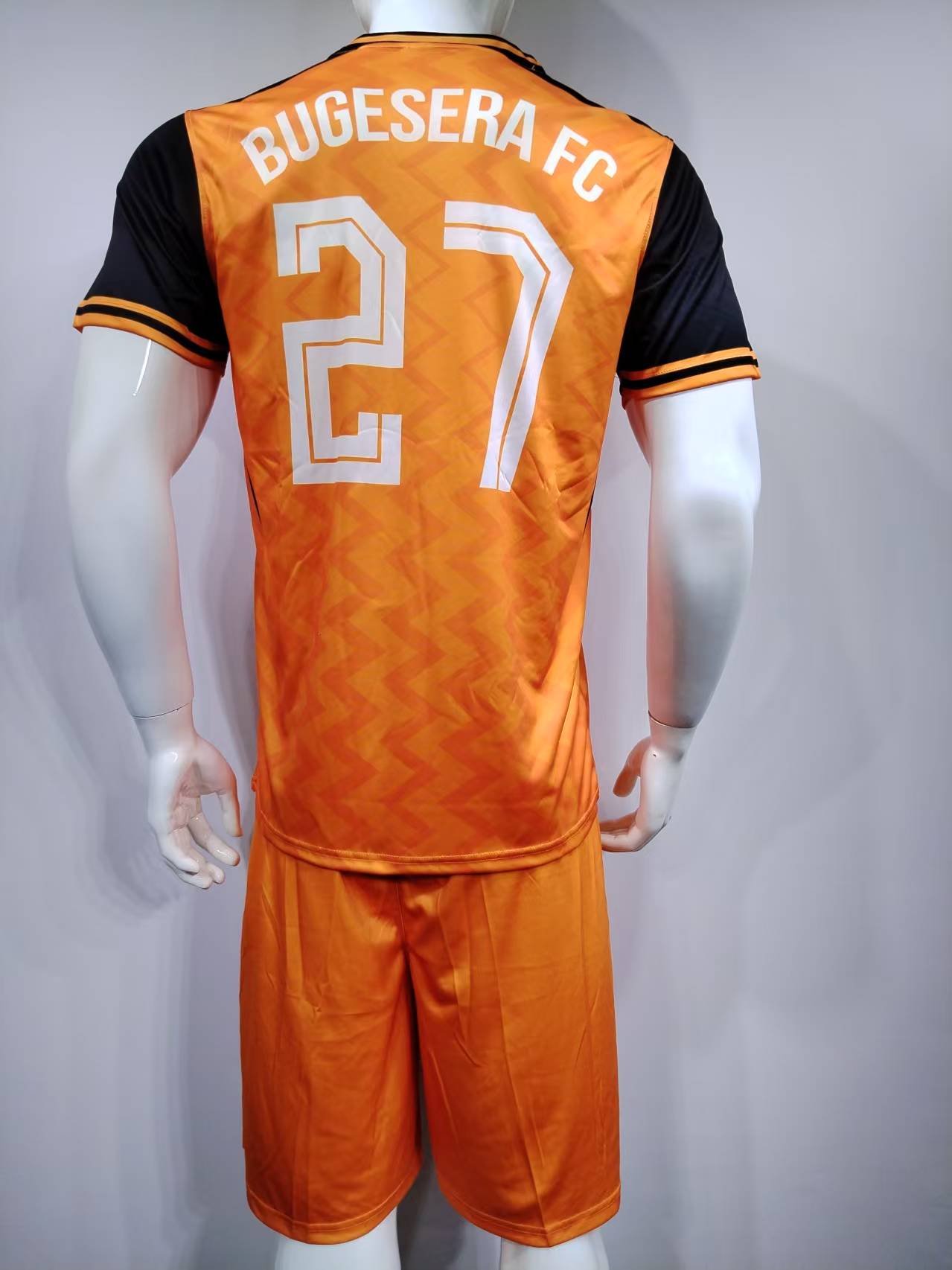
Football shorts are not just another piece of sportswear. For athletes, teams, and everyday players, the right pair of football shorts can significantly impact speed, comfort, agility, and overall performance on the field. Whether you play professionally or enjoy weekend training sessions, selecting the right shorts affects how confidently you move, how efficiently you perform drills, and how well you remain cool during intense sessions.
This extensive guide—crafted with real, practical experience—dives deep into everything you need to know about football shorts: materials, sizing, performance features, durability, sweat-management, brand differences, trends, customization, and more. Because this content is created for the Seseliga audience, you will also see insights into how Seseliga’s designs elevate athletic comfort and support modern football demands.
Why Football Shorts Matter More Than You Think
Many players underestimate how crucial football shorts are until they experience discomfort during a match. Whether it’s excessive sweating, limited movement, or irritation from poor stitching, the wrong shorts can affect concentration and physical performance.
Here’s why the right pair of football shorts is essential:
-
Allow unrestricted leg movement for sprinting, passing, and kicking
-
Reduce sweating by improving ventilation and moisture control
-
Prevent skin irritation caused by friction
-
Maintain comfort during long training sessions
-
Improve confidence through a professional athletic fit
Seseliga has seen thousands of players struggle with performance due to low-quality shorts. That’s why we emphasize investing in well-designed football shorts that balance comfort, durability, and technology.
Key Features to Look for When Choosing Football Shorts
Not all football shorts are created equal. Some look good but offer poor performance; others have excellent materials but lack proper fit. Below are essential factors Seseliga recommends evaluating before buying football shorts.
1. Fabric Material
The material of football shorts determines their comfort, weight, durability, and ability to handle sweat.
Most Common Fabrics Used:
Polyester:
The top choice for modern football shorts. Lightweight, strong, quick-drying, and breathable.
Mesh Polyester:
Enhanced airflow with built-in ventilation pockets.
Microfiber:
Soft, flexible, great for sensitive skin.
Elastane/Spandex Blend:
Adds stretch and mobility, especially useful for fast-moving players.
At Seseliga, we consistently recommend polyester or polyester-spandex blends because they perform exceptionally well in high-intensity matches.
2. Fit and Comfort
Selecting the right fit is essential. Football shorts should not be too loose or too tight.
Ideal Fit Characteristics:
-
Mid-thigh length for maximum freedom
-
Comfortable elastic waistband
-
Adjustable drawstring
-
Slight stretch for flexibility
-
Lightweight structure
Football shorts that fit correctly allow quick directional changes, explosive acceleration, and comfortable ball control techniques.
3. Breathability and Ventilation
Proper airflow helps regulate temperature and keeps sweat under control. Look for these features:
-
Mesh side panels
-
Laser-cut ventilation holes
-
Lightweight fabrics
-
Quick-dry technology
Seseliga emphasizes breathability because players often underestimate how much performance drops when overheating occurs.
4. Moisture-Wicking Technology
High-quality football shorts should wick sweat away from the skin and dry quickly. Moisture-wicking fabrics prevent discomfort and keep players cool even during intense training sessions.
5. Stitching Quality and Durability
Weak stitching is one of the biggest problems with cheap football shorts. Players who sprint or stretch frequently need reinforced seams.
What to look for:
-
Double stitching
-
Reinforced hems
-
Smooth interior seams to reduce irritation
Football shorts built with durable stitching can last an entire season or more, saving costs in the long run.
Types of Football Shorts for Different Players and Purposes
Football shorts come in various styles, each suitable for different situations. Seseliga believes players should choose their shorts depending on their play style, environment, and level of competition.
1. Training Football Shorts
These football shorts are designed for daily practice sessions. They usually include:
-
Extra ventilation
-
Mid-range durability
-
Enhanced comfort
-
Lightweight materials
Training shorts are perfect for drills, running, and tactical sessions.
2. Match Football Shorts
Match shorts are built with premium materials and technology to maximize performance. They typically offer:
-
Professional fit
-
High breathability
-
Sweat-control engineering
-
Stronger durability
Seseliga recommends investing in at least one pair of high-performance match football shorts for competitive players.
3. Compression Layered Football Shorts
Some athletes prefer layering compression shorts under their football shorts. This combination offers:
-
Improved blood circulation
-
Reduced muscle fatigue
-
Enhanced comfort
-
Lower risk of injury
4. Youth Football Shorts
Youth players require softer fabrics and lightweight construction to ensure comfort and proper development. These shorts typically come in flexible materials suitable for growing bodies.
Real Practical Experience with Football Shorts on the Field
Based on Seseliga’s years of observing and reviewing sports gear, football shorts can significantly influence a player’s performance. Below is a practical experience scenario illustrating the importance of selecting the right pair.
A Player’s Story: How the Right Shorts Improved Performance
Imagine a winger who relies heavily on speed, agility, and explosive acceleration. During early seasons, he used low-quality football shorts with poor ventilation and weak stitching. During matches, he experienced several issues:
-
Sweat accumulation
-
Reduced mobility
-
Irritation on thighs
-
Heavy feeling after 20–25 minutes of play
-
Shorts riding up during sprints
After switching to a high-quality pair recommended by Seseliga, he noticed immediate improvements:
-
Better cooling, even in hot weather
-
Faster sprints due to lower weight
-
No irritation from seams
-
Enhanced flexibility for dribbling and kicking
-
Overall improved confidence
This real-world example demonstrates why quality matters. Football shorts are not just an accessory; they can change a player’s game completely.
What Length and Design Should Football Shorts Have?
Length and design vary depending on personal style and playing position.
Ideal Length
Most professional football players prefer shorts that sit above the knee by about 2–4 inches. This length ensures:
-
Maximum mobility
-
Better airflow
-
A balanced professional appearance
Long shorts look casual and may restrict leg movement during kicks.
Waistband Design
The waistband should be stretchy with an adjustable drawstring. This prevents slipping or tight pressure on the abdomen during sprints.
Pocket or No Pocket?
Professional football shorts rarely have pockets because they add weight and interfere with movement. However, training shorts may include pockets for convenience.
Seseliga recommends pocketless match shorts for the best performance.
Pros & Cons of Football Shorts
Below is a comprehensive comparison table to help Seseliga readers make informed decisions.
| Features | Pros | Cons |
|---|---|---|
| Fabric Quality | Lightweight, breathable, durable | Cheap fabrics tear easily |
| Fit & Comfort | Improves flexibility, better movement | Wrong sizing affects performance |
| Moisture Control | Keeps players dry and cool | Low-quality materials trap sweat |
| Ventilation | Enhances airflow | Mesh panels can be prone to wear |
| Durability | Can last multiple seasons | Poor stitching reduces lifespan |
| Affordability | Wide range of price options | High-end shorts may be expensive |
| Appearance | Professional athletic look | Style varies by brand preferences |
Football Shorts vs Regular Shorts: Why the Difference Matters
Many beginners assume they can play football in regular gym shorts. While possible, it is not recommended.
Key Differences
-
Mobility: Football shorts are engineered for dynamic body movements.
-
Breathability: Regular shorts often lack proper ventilation.
-
Moisture Control: Football shorts dry faster and prevent discomfort.
-
Durability: Designed to withstand intense physical contact and repeated washing.
-
Professional Fit: Provides an athletic silhouette optimized for performance.
Players who switch from regular shorts to proper football shorts report feeling significantly more comfortable with reduced restriction.
How to Choose the Perfect Football Shorts for Your Needs
Choosing football shorts becomes easier when guided by a few principles. Seseliga recommends following these steps:
Step 1: Identify Your Playing Frequency
-
Occasional play: Mid-range shorts
-
Regular training: Durable training shorts
-
Competitive matches: Professional-grade match shorts
Step 2: Select the Material That Suits You
-
Heavy sweaters: High ventilation mesh
-
Sensitive skin: Microfiber or soft polyester
-
Fast players: Lightweight stretch materials
Step 3: Check the Waist Fit
The waistband should be firm but comfortable. Test the stretch and ensure the internal drawstring works smoothly.
Step 4: Evaluate Comfort During Real Movement
Try performing:
-
Squats
-
High knees
-
Quick sprints
-
Full leg swings
The shorts should feel natural and comfortable.
Step 5: Consider Durability for Long-Term Use
If you train multiple times a week, invest in stronger stitching and better-quality fabrics.
How to Maintain and Care for Your Football Shorts
To extend the life of your football shorts, proper care is essential.
Washing Tips
-
Use cold water
-
Avoid bleach
-
Use a mild detergent
-
Wash inside-out
-
Do not mix with rough fabrics
Drying Tips
-
Air dry instead of machine drying
-
Keep away from direct sunlight to prevent fading
Storage Tips
-
Fold properly
-
Avoid damp environments
-
Do not leave inside bags after sweaty matches
Proper care helps maintain the elasticity, color, and comfort of football shorts for years.
Common Mistakes Players Make When Buying Football Shorts
Many buyers overlook important details. Seseliga has identified the following common mistakes:
Buying Based on Appearance Only
A stylish design does not guarantee performance.
Ignoring the Fabric Type
Some players choose cotton because it feels soft, but cotton absorbs sweat and becomes heavy.
Choosing the Wrong Size
Too tight restricts movement; too loose feels unprofessional.
Selecting Low-Quality Shorts to Save Money
Cheap shorts wear out quickly, costing more over time.
Not Considering Breathability
Ventilation is vital, especially in hot climates.
Why Seseliga Recommends Investing in High-Quality Football Shorts
Seseliga prioritizes long-term value. High-quality football shorts:
-
Improve comfort and focus
-
Enhance mobility
-
Boost overall performance
-
Last much longer
-
Deliver a professional athletic look
Through years of experience, gear testing, and observing player feedback, Seseliga consistently endorses investing in shorts that combine durability, lightweight technology, and modern fabric engineering.
The Evolution of Football Shorts: From Heavy to High-Tech
Football shorts weren’t always as lightweight and advanced as they are today.
Early Football Shorts
Historically, football shorts were made from heavy materials like cotton and wool, reaching nearly knee-length. Mobility was limited.
Transition to Modern Materials
The introduction of polyester in sports changed everything. Shorts became lighter, more breathable, and more flexible.
Today’s High-Tech Designs
Modern football shorts now include:
-
Sweat-control technology
-
Anti-bacterial fabrics
-
Heat-transfer printing
-
Laser-cut ventilation
-
Stretch panels
This evolution has made football gear more performance-driven than ever before.
Football Shorts for Different Weather Conditions
Climate plays a big role in selecting the right gear.
Hot Weather
Choose:
-
Mesh panels
-
Quick-dry fabric
-
Lightweight construction
Cold Weather
Choose:
-
Slightly thicker materials
-
Shorts that layer well with compression tights
Humid Environments
Choose:
-
Maximum ventilation
-
Sweat-resistant fabrics
Seseliga often recommends having at least two types of shorts for varying weather.
Football Shorts for Different Playing Positions
Each player position may prefer different styles.
Wingers and Forwards
-
Lightweight materials
-
Shorter length for speed
-
Stretchy fabric
Midfielders
-
Balanced comfort
-
High durability
-
Moderate length
Defenders
-
Reinforced stitching
-
Stronger fabric
-
Comfortable wider fit
Goalkeepers
-
Slightly longer shorts
-
Flexible materials
How Football Shorts Improve Athlete Confidence
Comfortable, well-fitted football shorts contribute to performance psychology.
Mental Boost from Good Gear
Players feel more professional
Better mobility improves confidence
Less distraction leads to better focus
Seseliga has seen many players report improved self-belief simply by upgrading their football kit.
Football Shorts for Casual Players vs Professional Players
Casual Players
-
Prefer comfort
-
Affordable options
-
Versatility for multiple sports
Professional Players
-
Require advanced ventilation
-
Need competition-level durability
-
Prioritize precise fit
Both groups benefit from choosing high-quality football shorts, but priorities differ.
Football Shorts Buying Guide for Seseliga Readers
Seseliga’s recommended checklist:
-
Choose moisture-wicking polyester
-
Ensure the waistband is comfortable
-
Select breathable designs
-
Test mobility before buying
-
Compare stitching durability
-
Check length and style preference
-
Evaluate overall comfort
-
Consider long-term usage
-
Choose proper size
-
Stick to reputable manufacturers
This guide helps players avoid common mistakes and focus on quality.
FAQs About Football Shorts
1. What are the best materials for football shorts?
Polyester and polyester-spandex blends are the best due to their durability, moisture-wicking ability, and lightweight feel.
2. Should football shorts have pockets?
Professional match shorts usually do not have pockets, but training shorts may include them.
3. How long should football shorts last?
With proper care, high-quality football shorts can last at least one to two seasons or longer.
4. How should I wash football shorts?
Wash in cold water, use mild detergent, and air dry.
5. Are compression shorts necessary?
Not necessary, but highly beneficial for comfort, blood flow, and reduced muscle fatigue.
6. What is the ideal length for football shorts?
Mid-thigh length is ideal for most players.